Source Gold and Silver Hot Stamping Medical Labels for Packaging, Medicine, and Beverages
Compare 30 suppliers offering gold and silver hot stamping medical labels with waterproof features and custom sizes. Buyers can review options for medicine, bottled beverages, and shipping labels with ISO and SGS certifications.
Key considerations
Products List





Comprehensive Sourcing Guide
Strategic Sourcing Guide for Gold and Silver Hot Stamping Medical Labels
Procuring specialized labeling solutions for the medical sector requires a rigorous approach that balances aesthetic requirements with stringent regulatory compliance. The core keyword "gold and silver hot stamping medical labels" points to a niche within the broader adhesive label market where visual distinction, anti-counterfeiting measures, and material durability are paramount. While the specific visual effect of hot stamping is a premium feature, the underlying product specifications often align with general medical-grade adhesive labels made from materials such as PVC, Vinyl, or Polyester (PET). Buyers must navigate a complex landscape where aesthetic customization coexists with functional necessities like waterproofing, temperature resistance, and specific surface finishes. This guide outlines the critical technical, compliance, and operational factors that define a successful procurement strategy for these high-value items.
Technical Specifications and Material Composition
The foundation of any medical label lies in its material composition and physical properties. Based on available market data, the primary substrates for these labels include PVC, Vinyl, and Polyester (PET). Each material offers distinct advantages regarding durability and application. PVC and Vinyl are frequently cited for their flexibility and resistance to moisture, making them suitable for environments where labels may encounter liquids or varying humidity levels. Polyester (PET) provides superior dimensional stability and resistance to harsh chemicals, which is often required for laboratory or sterilization environments.
A critical technical attribute for medical labels is the adhesive type. The supply data indicates a prevalence of "Permanent Adhesive" and "Sided Tape" options. For medical applications, the adhesive must maintain bond integrity under stress, temperature fluctuations, and potential exposure to cleaning agents. The temperature resistance profile is another vital specification, with suppliers offering products rated for room temperature, low temperature, and high temperature environments. This versatility ensures that labels remain intact during cold chain logistics, sterilization processes, or storage in varied climatic conditions.
The physical dimensions of the labels are highly customizable. The market supports "Customized Size" and "Custom Shape" options, including rectangles, rounds, squares, and bespoke geometries. This flexibility allows manufacturers to design labels that fit specific device contours or packaging constraints. Furthermore, the transparency of the material is a key differentiator; while some applications require opaque labels to ensure text legibility, others may utilize transparent substrates. The surface finishing processes, such as lamination, embossing, and UV varnish, play a crucial role in enhancing the durability and visual appeal of the label, particularly when incorporating metallic effects like gold and silver.
Printing Technologies and Visual Finishes
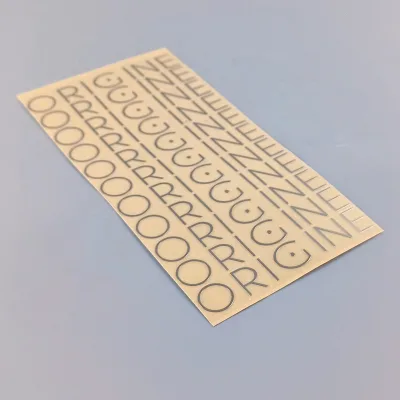
The visual identity of medical labels is often established through advanced printing techniques. While the core keyword specifies "hot stamping," the broader manufacturing context includes a variety of printing technologies such as screen printing, offset printing, flexographic printing, and digital printing. Hot stamping itself is a specialized process where metallic foil is transferred to the substrate using heat and pressure, creating the desired gold or silver effect. This technique is frequently combined with other methods to achieve complex designs.
The color reproduction capabilities are generally defined by CMYK or Pantone standards, ensuring brand consistency and accurate color matching. The availability of "Letterpress Printing" and other high-fidelity methods suggests that suppliers can handle intricate details required for medical instructions and regulatory text. Additionally, the inclusion of features like holographic effects, barcodes, and heat-sensitive elements indicates that these labels are often designed for anti-counterfeiting and traceability purposes. The ability to integrate these security features alongside aesthetic metallic finishes is a significant value proposition for medical device manufacturers.
Artwork preparation is a prerequisite for successful production. Suppliers typically require design files in specific formats, including AI, PDF, CDR, and PSD. This requirement underscores the need for buyers to have professional graphic design resources or to work closely with their supplier's design team to ensure that the final output meets the precise specifications for hot stamping and other finishing processes.
Compliance, Certification, and Regulatory Alignment
In the medical industry, compliance is not merely a recommendation but a mandatory requirement. The supply data highlights the presence of ISO 9001 and SGS certifications among potential suppliers. These certifications indicate that the manufacturing facility adheres to international quality management standards and has undergone third-party verification. However, buyers must verify that these certifications are current and applicable to the specific medical applications they intend to use the labels for.
The Harmonized System (H.S.) Code for these products is typically categorized under 3919909000, which relates to self-adhesive plastic plates, sheets, film, and similar materials. Understanding this classification is essential for accurate customs declaration and import duty calculation. While the provided data mentions "custom model" and "customized" standards, it does not explicitly list specific medical device regulations such as ISO 13485 or FDA compliance. Therefore, buyers must actively request documentation confirming that the materials and adhesives meet the specific regulatory requirements of their target market, such as biocompatibility testing or chemical resistance standards required for medical devices.
Cost Drivers and Economic Factors
The cost of sourcing gold and silver hot stamping medical labels is influenced by several dynamic factors. The Minimum Order Quantity (MOQ) is a significant driver, with observed ranges varying from 3,000 to 5,000 pieces, and in some cases extending up to 1,000,000 units. Higher volumes generally result in a lower unit cost, but the initial investment can be substantial. Buyers must balance the need for inventory against the cash flow implications of high MOQs.
Material costs also play a pivotal role. The choice between PVC, Vinyl, and Polyester affects the base price, with PET often commanding a premium due to its superior performance characteristics. The complexity of the printing and finishing processes, particularly the inclusion of hot stamping and holographic elements, adds to the production cost. Additionally, the customization of size, shape, and artwork requires setup time and specialized tooling, which can increase the overall price per unit for smaller batches.
Payment terms and shipping logistics further impact the total cost of ownership. Standard payment methods include T/T, PayPal, and Western Union, while shipping ports are typically located in major Chinese hubs such as Shanghai, Wuxi, and Ningbo. The lead time for production is generally reported as 7 to 10 days, though this can vary based on order complexity and material availability. Buyers should factor in these lead times when planning their supply chain to avoid stockouts.
Typical Applications and Usage Scenarios
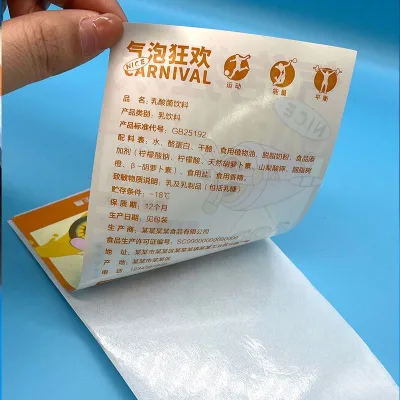
The versatility of these labels allows them to be applied across a wide range of medical and related industries. The observed usage categories include custom stickers for bottled beverages, medicine packaging, and general packaging films. Specific applications extend to shipping labels, food labeling, and address labels for logistics. In the medical context, these labels are often used for product identification, dosage instructions, and batch tracking.
The inclusion of "Anti-Counterfeit" and "Barcode" features suggests that these labels are critical for supply chain security and patient safety. They help prevent the distribution of counterfeit medications and ensure that the correct product reaches the intended recipient. The ability to withstand various temperature conditions makes them suitable for cold chain logistics, where labels must remain legible and intact despite exposure to freezing temperatures. Furthermore, the "Waterproof" feature ensures that labels do not degrade when exposed to moisture, a common occurrence in medical storage and handling environments.
Supplier Evaluation and Quality Control
Selecting the right supplier is a critical step in the procurement process. Buyers should evaluate potential partners based on their certification status, production capacity, and quality control measures. The presence of ISO 9001 and SGS certifications is a positive indicator, but it should be verified through direct communication and documentation requests. Suppliers should also demonstrate a clear understanding of the specific requirements for medical labels, including material safety and adhesive performance.
Quality control processes should be robust and transparent. Buyers should inquire about the supplier's testing protocols for adhesion, durability, and print quality. The ability to provide free samples is a significant advantage, allowing buyers to physically inspect the product before committing to a large order. This step is essential for verifying the quality of the hot stamping, the accuracy of the colors, and the overall finish of the label.
Long-Term Procurement Considerations
Sourcing medical labels is not a one-time transaction but a long-term partnership that requires careful management. Buyers should consider the scalability of their supplier's production capabilities to accommodate future growth. The flexibility to customize materials, sizes, and designs is crucial for adapting to new product launches or regulatory changes. Additionally, the reliability of the supply chain, including lead times and shipping logistics, must be consistent to prevent disruptions in the medical supply chain.
The trade terms and payment conditions should be negotiated to align with the buyer's financial policies and risk tolerance. Clear communication regarding artwork formats and design requirements is essential to avoid delays and ensure that the final product meets expectations. By maintaining a strategic approach to supplier evaluation and quality control, buyers can secure a reliable source of high-quality gold and silver hot stamping medical labels that meet the rigorous demands of the healthcare industry.
Comparative Analysis of Key Product Attributes
To assist in decision-making, the following table summarizes the key attributes observed in the market for gold and silver hot stamping medical labels. This comparison highlights the variability in specifications and helps buyers identify the most suitable options for their specific needs.
| Attribute | Common Specification | Variability Notes |
|---|---|---|
| Material | PVC, Vinyl, Polyester (PET) | Choice depends on durability and chemical resistance needs. |
| Adhesive Type | Permanent Adhesive, Sided Tape | Must be verified for compatibility with target surfaces. |
| Printing Type | Letterpress, Screen, Offset, Flexo, Digital | Hot stamping is often an additional finishing step. |
| Feature | Waterproof, Anti-Counterfeit, Holographic | Essential for security and durability in medical settings. |
| MOQ | 3,000 to 5,000 PCS (up to 1M) | Higher volumes reduce unit cost; negotiate based on forecast. |
| Lead Time | 7-10 Days | Subject to change based on order complexity and material stock. |
| Certification | ISO 9001, SGS | Verify specific medical compliance beyond general quality certs. |
| Artwork Format | AI, PDF, CDR, PSD | Professional design files are required for high-quality output. |
| Shape | Rectangle, Round, Square, Custom | Custom shapes allow for unique branding and fit. |
| Temperature Resistance | Room, Low, High Temp | Critical for cold chain and sterilization applications. |
This comparative overview underscores the importance of aligning specific product attributes with the operational requirements of the medical sector. By carefully evaluating these factors, buyers can make informed decisions that ensure the quality, compliance, and reliability of their medical labeling solutions.
FAQs
What certifications do gold and silver hot stamping medical labels have?
These labels typically hold ISO9001 and SGS certifications to ensure quality management standards. Buyers should verify that these certifications apply to the specific medical application and request current documentation before placing orders.
How long is the delivery time for custom medical adhesive labels?
The standard delivery time ranges from 7 to 10 days for production and shipping preparation. This timeline may vary based on the complexity of the customization, artwork approval, and specific material requirements like PVC or PET.
Which materials are used for waterproof medical adhesive stickers?
Common materials include PVC, Vinyl, and Polyester (PET) which offer excellent waterproof and chemical resistance. These substrates ensure durability in various environments, including those requiring temperature resistance from low to high conditions.
Can I get free samples for gold and silver hot stamping labels?
Yes, suppliers generally allow free samples to help buyers inspect quality and finish before bulk production. Buyers should confirm sample availability and shipping costs, as well as the specific customization options available for the sample.
What is the minimum order quantity for custom medical product labels?
The minimum order quantity typically ranges from 3,000 to 5,000 pieces depending on the specific supplier and product model. Higher volumes often reduce the unit cost, but buyers must balance this with their inventory needs.
Which printing types are available for custom medical label designs?
Available printing technologies include screen printing, offset printing, flexographic printing, and digital printing alongside letterpress. These methods support intricate details and can be combined with surface finishes like lamination or UV varnish for enhanced durability.
How are custom medical labels packaged for international shipment?
Labels are typically packed in export cartons or corrugated cases to ensure safe transit. The packaging is designed to protect the adhesive properties and print quality during shipping from major Chinese ports like Shanghai or Ningbo.